
Greece gives a group of travellers plenty to share in a short holiday. There are white island villages, ancient temples on hills and warm seas made for swimming. Greece tours turn all of this into easy, organised days out. They suit families, friends, sports clubs, school classes and company teams of every size.
This guide from My Greece Tours explores the main regions of the country, one area at a time. For each region, it explains what to see, which tours suit a group and which amenities are usually included. The goal is simple: fewer surprises, more shared memories and a holiday that works for every generation.
What Do Greece Tours Offer Groups In The Cyclades?
The Cyclades give groups white villages, volcanic views, sacred ruins and clear water. Tours here mix private boats, swim-stop cruises and cooking classes, with lunch and drinks often included. Planners who compare Greece tours and Tours In Greece will find these islands near the top of every list. Fast ferries from Athens reach them easily.
What should groups see in the Cyclades?
Santorini sits on the edge of a caldera. This is an enormous bowl created when a volcano exploded and the sea flooded in. From Oia, groups watch the sun disappear behind the cliffs as white houses and blue domes turn golden. Mykonos town is a maze of narrow alleys, with windmills above the harbour.
A boat journey from Mykonos leads to Delos, a sacred island where the ancient Greeks believed the god Apollo was born. Marble lions still guard an ancient avenue there. On Milos, boats glide into Kleftiko, a cove of white rock arches and sea caves that pirates once used. Sarakiniko looks like a moonscape.
On Naxos, the Portara is a giant marble doorway, the last piece of a temple that was never finished. It stands on a small islet by the main town. Visitors gather there at sunset. On Paros, Naoussa harbour is full of bright fishing boats, little tavernas and the broken walls of an old castle.
Which Greece tours do groups take in the Cyclades?
Private tours with a driver-guide or a skipper suit families and close friends. The price is set per group, not per person, so larger parties often get excellent value. A private boat also lets the group decide its own pace, its own beaches and its own lunch spot. Grandparents and little children both stay comfortable.
Boat cruises with swim stops suit mixed groups who want sea, sunshine and a relaxing day. Full-day trips from Athens by coach, linked to an early ferry, suit busy company teams with limited time. For a wider plan, organisers can read about Greece island tours from Athens before booking. Everyone then understands the schedule.
Snorkel and beginner scuba trips suit teenagers and sporty friends who want a little adventure. Instructors teach the basics in calm, shallow water first, so beginners feel safe. Cooking classes and wine tastings suit the rest of the party. Parents, grandparents and company teams enjoy learning a local dish and sharing a long table afterwards.
Which amenities make Greece tours in the Cyclades easy for groups?
Lunch or a BBQ meal on board means nobody has to hunt for a table big enough for the whole party. Drinks are included on many trips, and some cruises even offer unlimited drinks. That keeps the budget simple, since one booking covers food and drink for everyone. Hungry children stay cheerful too.
A licensed or local guide explains the myths, the volcano and the island stories in plain words. Even reluctant teenagers start asking questions. Snorkel gear comes on board, so families do not pack masks for every child. Swim stops in clear bays give the whole group a chance to cool off together between sights.
Free time to explore matters just as much. After a guided walk, friends can separate to shop, relax or enjoy a coffee, then gather again at an agreed time. Wine tastings on Santorini add a calm, grown-up break, often with views across the caldera and small plates of local food. Everyone returns refreshed.
How can groups get the most from the Cyclades?
Start early. Boats and villages are quieter in the morning, and the sun is softer for children and older relatives. Pick one meeting point at every stop and share it in a group chat. A bright hat or scarf on the group leader also helps everyone spot the right person in a busy port.
Pack light but smart: swimwear, a towel, sunscreen, sunglasses, a refillable water bottle and comfortable shoes for steep lanes. Seasickness tablets help a lot on windy days at sea. Keep a little cash for small extras. Count heads before every boat or bus departs, even when the group feels certain it is complete.


What Do Greece Tours Offer Groups In Athens And Attica?
Athens and Attica give groups the Acropolis, excellent museums, historic markets and a sunny coastline. Tours range from guided walks to private boat days, with guides, meals and swim stops often included. It is the easiest region for a large mixed group. Most of the big sights sit close to the city centre.
What should groups see in Athens and Attica?
The Acropolis is a rocky hill crowned by temples, and the Parthenon is the most famous of them. It was built to honour Athena, the goddess who gave the city its name. At the foot of the hill, the Acropolis Museum shows the real statues, with glass floors that look down onto old streets.
Plaka is the old quarter below the hill, full of quiet lanes, small churches and family tavernas. Next door, Monastiraki has a lively square and a flea market packed with odd finds. Teenagers love the stalls. The Ancient Agora was the city’s old market and meeting place, where thinkers like Socrates once talked with crowds.
South of the city, the coast road runs along the Athens Riviera, with sandy beaches and seaside cafes. It ends at Cape Sounion, where the Temple of Poseidon stands on a cliff above the sea. Off the coast, Hydra has no cars, Poros has a pretty clock tower and Aegina grows famous pistachios.
Which Greece tours do groups take in Athens and Attica?
Guided walking tours suit almost everyone, from school classes to company teams. A guide leads the group through the Acropolis and the historic streets, and the stories make the stones come alive. Walks also keep costs low and need no transport, which helps large parties move quickly between sights. Comfortable shoes are enough.
Private tours with a driver-guide suit families with grandparents or small children. The car or minibus is priced per group, so the cost is shared. The plan also adapts around nap times. A private skipper does the same at sea, taking a group from the Riviera to quiet, sheltered bays. Nobody feels hurried.
Boat cruises with swim stops to Hydra, Poros and Aegina suit friends who want a full island day. Cooking classes and wine tastings suit clubs and company teams who enjoy hands-on activities. Learning to fold a cheese pie together makes a memorable team-building afternoon. Organisers can compare more Greece tours from Athens before deciding.
Which amenities make Greece tours in Athens and Attica easy for groups?
A licensed guide matters here more than anywhere else. In Greece, only state-licensed guides can lead groups inside archaeological sites and museums. A proper guide keeps the visit smooth and legal. A local guide also knows the quiet corners, the best shade and the right moment to beat the crowds at the gate.
On island cruises, lunch or a BBQ meal comes with the trip. A hungry group never has to split up to find food. Drinks are often included, and some boats pour unlimited soft drinks or local wine. That makes the total cost easy to predict for any club or company budget.
Swim stops break up a long day on the water and give children a reason to stay cheerful. Adults enjoy them too. Wine tastings in the Attica countryside add a slower pace, with local cheese, olives and bread on the table. Both activities give the group a shared memory beyond the ancient ruins.
How can groups get the most from Athens and Attica?
Visit the Acropolis as early as possible, before the heat and the cruise crowds arrive. There is little shade on top. Wear shoes with grip, since the marble paths are smooth and slippery. Choose one clear meeting point, such as the museum entrance, and remind everyone before the group splits for free time.
Bring hats, water, sunscreen and a light layer for air-conditioned museums. For boat days, add swimwear and a towel. Reserve restaurant tables ahead for large parties, since tavernas in Plaka fill quickly in the evening. Keep the pace gentle, with a long lunch and a relaxing break in the hottest part of the afternoon.
What Do Greece Tours Offer Groups On The Large Islands?
The large islands give groups palaces, walled towns, lagoons and famous beaches. Tours mix private drivers, boat cruises, guided walks and entry tickets, with meals, drinks and guides often included. Each island feels like its own small country, and one can fill a whole group holiday. Flights from Athens make them easy to reach.
What should groups see in the large islands?
On Crete, the Palace of Knossos was the home of the Minoans. They were an early people who ruled the sea long before classical Athens. Legend says a monster called the Minotaur lived in a maze below it. In the west, Chania harbour has a lighthouse, colourful houses and seafood tavernas along the water.
Balos lagoon, also on Crete, has shallow turquoise water and pale sand that looks almost pink in places. On Rhodes, the Acropolis of Lindos sits high above a white village and a deep blue bay. Rhodes Old Town is a walled medieval city where knights once lived, with stone streets and a grand palace.
Corfu old town has two sea forts, narrow lanes and elegant arcades, mixing Venetian and French styles. Locals even play cricket on the main square. On Zakynthos, Navagio is the famous shipwreck beach, where a rusting ship rests on white sand under tall cliffs. Groups see it from the water or from a cliff-top viewpoint.
Which Greece tours do groups take in the large islands?
Private tours with a driver-guide suit families and friends exploring a large island without stress. Elderly relatives travel in comfort. The vehicle is priced per group, and the route can change on the day. A skipper on a private boat works the same way at sea, reaching quiet coves that larger boats skip.
Boat cruises with swim stops suit beach lovers, from Balos to the cove of Navagio. Guided walking tours suit history enthusiasts in Rhodes Old Town and Corfu old town. Island coach excursions work much like full-day trips from Athens by coach, with an early pickup and a guide on board. School parties especially enjoy them.
Entry tickets suit groups who want to explore Knossos or Lindos at their own pace, with time to sit and talk. Cooking classes and wine tastings suit clubs and company teams who enjoy rolling pastry or tasting island wine together. To pick the right island, compare these top Greek islands to visit first.
Which amenities make Greece tours in the large islands easy for groups?
Entry tickets bought ahead save the group from long lines at Knossos, Lindos and the palace in Rhodes. A licensed or local guide then turns the ruins into a story, which keeps children and teenagers interested. Guides also handle the timing carefully, so the group sees the main rooms before the crowds build.
On boat days, lunch or a BBQ meal is often served on deck or at a beach taverna. Drinks come with many cruises, and some include unlimited drinks all day. Swim stops in clear water give everyone a refreshing break, and nervous swimmers can stay beside the boat ladder. Crews watch the children carefully.
Wine tastings on Crete and Rhodes are a gentle way to end a busy day. Local hosts pour island wines and explain them in simple words, often with cheese, olives and bread. For company groups, a tasting also works as a relaxed social evening without the need to plan a full dinner.
How can groups get the most from the large islands?
Large islands need more travel time than they appear to on a map. Many country roads are narrow and winding. Base the group in one town and plan excursions from there, rather than moving hotels often. Hire a comfortable minibus with enough seats, and agree on a fixed departure time every morning.
Bring beach shoes for pebbly coves, sun hats, reef-safe sunscreen and a waterproof bag for phones on boats. Keep everyone’s phone numbers and hotel details in one shared document. At popular spots like Navagio or the Lindos path, choose a leader and a back marker, so nobody wanders away from the group. Count heads regularly.


What Do Greece Tours Offer Groups On The Classical Mainland?
The classical mainland gives groups the great sites of ancient Greece, from Delphi to Olympia. Tours include small-group trips, coach days, guided walks and multi-day routes, with guides, tickets and hotels covered. It is the best region for school groups, history clubs and families with curious children. Every stop tells a famous story.
What should groups see in the classical mainland?
Delphi clings to the slopes of a mountain, and the ancient Greeks called it the centre of the world. At the Temple of Apollo, a priestess gave puzzling answers, called oracles, to kings and ordinary people. Further north, the Meteora monasteries sit on top of tall rock towers, as if they float in the sky.
In the Peloponnese, the Lion Gate of Mycenae has two stone lions carved above the entrance to an old fortress. Legends tie it to King Agamemnon. The theatre of Epidaurus is famous for its sound, since a whisper on the stage reaches the top seats. Plays are still performed there on summer nights.
Nafplio old town has marble streets, a fort on the hill and a small castle on an islet in the harbour. Ancient Olympia is where the first Olympic Games took place, and the Olympic flame is still lit there. On the way from Athens, the Corinth Canal cuts a deep, narrow path through solid rock.
Which Greece tours do groups take in the classical mainland?
Small-group tours suit friends and couples within a larger party who prefer a guide without a big, noisy crowd. Full-day trips from Athens by coach suit school groups and clubs with busy schedules, since Delphi or Mycenae fit into a single day. The coach also keeps the entire group together between destinations.
Guided walking tours suit curious families, because a guide brings old stones to life with myths and stories. Entry tickets suit groups who want to explore at their own pace. History clubs who like to linger and photograph every detail love them. Before choosing, groups can scan the top archaeological sites in Greece.
Multi-day tours with hotel nights suit groups who want to see Delphi, Meteora, Olympia and Nafplio in one loop. Company teams and senior clubs like them because the route, the rooms and the transport are already set. Everyone packs once, relaxes on the coach and simply follows the plan. Nobody has to drive.
Which amenities make Greece tours in the classical mainland easy for groups?
A licensed or local guide is the key amenity on the mainland. Only state-licensed guides can lead groups inside Greek archaeological sites and museums. A good guide explains words like sanctuary, which means a holy place for a god. The guide also keeps the group moving at a pace that suits both children and grandparents.
Entry tickets matter because popular sites draw long lines in high season. When tickets come with the tour, the guide hands them out at the gate and the group walks straight in. That saves time, avoids confusion and keeps everyone out of the hot sun. The leader also avoids collecting cash from everyone.
Hotel nights on multi-day trips are a real advantage for groups. Rooms are reserved together in the same hotel, near the sites, so the group begins each day in one place. Luggage travels on the coach. Organisers do not need to juggle separate bookings, and families know exactly where they will sleep every night.
How can groups get the most from the classical mainland?
Arrive early at Delphi and Olympia, when the air is cool and the paths are peaceful. Save the hottest hours for the coach, a museum or a long lunch. At Meteora, visitors need covered shoulders and knees, and women are asked to wear skirts. Pack a light wrap for the visit.
Bring comfortable walking shoes with good grip, since ancient paths are often uneven and stony. Pack plenty of water, snacks for children and a hat for every head. On the coach, give each traveller a partner to check on at every stop. Regular head counts keep the group together throughout the day.
Conclusion: Greece Tours For Groups, Planned Well
A good group trip in Greece mixes sights, the right kind of tour and amenities that remove daily worries. The Cyclades bring sea and light, Athens brings ancient monuments, the large islands bring variety, and the mainland brings the deep past. Each region works well for a team, a club or a family.
The best plan begins with honest questions about pace, budget and the ages in the group. From there, a practical guide to choosing the right Greek tour helps narrow the options. With early booking and clear meeting points, every member of the group returns home with shared memories. Listening first always pays off.
Frequently Asked Questions About Greece Tours For Groups
What are the best Greece tours for a big group?
Private boat days, coach trips to Delphi and guided walks around the Acropolis work best for a big group. They keep everyone together, share one guide and often include meals and transport. Large parties can also mix shared parts with private time, so every age and energy level gets a comfortable, happy day.
Do Greece tours include meals and entry tickets?
Many boat cruises include lunch or a BBQ meal, and soft drinks or wine are common too. Entry tickets come with many guided site visits, but some tours list them as extras. Groups should always read the details before paying, since a clear list of what is included avoids awkward surprises on the day.
How many people can join one of the Greece tours?
It depends on the type of tour and the vehicle. Small-group tours keep numbers low so the guide can talk with everyone, while coach trips and large boats welcome much bigger parties. Very large groups, such as schools or company teams, often book a private coach or boat so the whole party travels together.
Should groups pick private or shared Greece tours?
Private tours suit families, close friends and company teams who want their own pace and a price divided across the group. Shared tours suit smaller parties who enjoy meeting other travellers and do not mind a fixed schedule. Many groups happily combine both, with private boat days and shared coach trips to the major sights.
How early should groups book Greece tours for summer?
Groups should book as early as they can, ideally several months ahead of a summer trip. Private boats, licensed guides, cooking classes and hotel rooms for big parties sell out first. Early booking also gives the leader time to collect payments, share the plan and sort out special diets or access needs.
Which season suits Greece tours for families?
Late spring and early autumn suit families best, with warm seas, gentle heat and smaller crowds at the famous sights. Summer school holidays also work well when tours start early, finish before the hottest hours and include swim stops. Shady breaks, plenty of water and a calm pace keep both children and grandparents happy.
How do organisers plan Greece tours for a big group?
Organisers plan Greece tours for a big group by agreeing on goals early, naming one decision-maker and booking guides, transport and rooms ahead. A clear plan stops endless group chats and last-minute changes. This complete guide for group organisers covers each step in more detail.
Start with the people, not the map
Good Greece tours begin with a simple survey of the group. The organiser asks about ages, fitness, hobbies, diets and how much walking each person enjoys. Those answers shape every later choice, from the islands on the list to the style of hotel.
Next, the organiser sets a rough budget range and a preferred travel season. With those fixed, the group can compare small-group and private experiences side by side. Private days give more control, while shared small-group days add variety and lower costs.
Large parties also need a leader who can approve decisions quickly. Too many voices slow down bookings and frustrate local suppliers. A small planning committee works well, as long as one person holds the final word on dates, payments and changes.
Timing matters as much as the route. Big groups get far more choice when they book early, before the best guides and boats fill up. Early deposits also show the organiser who is really coming on the trip.
Which details keep Greece tours running smoothly?
Escorted Greece tours suit large parties because a tour leader travels with the group from start to finish. Before signing up, organisers should read about choosing the right escorted itinerary and check the pace of each day. A schedule with rest time keeps energy high.
Island hopping needs extra care. Ferries sometimes change times in strong wind, so sensible Greece tours leave spare time between islands. These ferry travel tips explain seat choices, bags and why boarding early helps a large party.
A shared file with names, passport details, phone numbers and food needs saves hours of stress later. Guides, drivers and hotels all ask for the same facts. Sending one tidy list makes the group look well run and often earns better service in return.




What makes Greece tours easy for families with children?
Greece tours feel easy for families when days are short, plans are varied, beaches come often and guides tell stories that children love. Greek people also love children, so young ones get a warm welcome in tavernas and shops. Parents relax faster as a result.
How do Greece tours keep children safe and happy?
Family Greece tours work best with a single main activity each day and plenty of downtime. A morning at a site, a long lunch and an afternoon swim keep moods steady. Children remember the swim as much as the temple, and that is perfectly fine.
Heat is the biggest risk in summer. Hats, sunscreen, water and shady breaks matter more than any museum visit. These safety tips for Greece tourists also cover sea currents, traffic in old towns and keeping track of small children in crowds.
Guides who work with families carry clever tricks. They hand out treasure hunts at ruins, tell myths about heroes and monsters, and let children ask the questions. Only state-licensed guides can lead groups inside Greek archaeological sites and museums, so a licensed guide keeps the visit legal and lively.
Snacks and toilets sound boring, but they decide whether a family day works. Good guides plan stops at cafes with clean facilities and simple food. A hungry, tired child can stop a whole group, so these small breaks pay off.
Which family activities suit every generation?
Boat days are a family favourite. Children love snorkelling from the deck, while grandparents enjoy the shade and the sea breeze. Many family Greece tours choose calm bays and boats with ladders, so even nervous swimmers join in.
Cooking classes suit mixed ages too, and nobody needs any kitchen skills. Younger children roll pastry and stir sauces, while adults learn dishes to cook back home. These family-friendly travel tips list more places where young and old have fun together.
Packing smart makes every day easier. A small bag each, swimwear on top and a spare outfit for the youngest travellers save stress at every stop. This guide to packing light for island tours shows how families move around without heavy suitcases.
Gentle walks also work well for families. Old villages with car-free lanes let children explore safely, while adults stop for coffee in the square. Evening strolls by the harbour, with ice cream in hand, often become the best part of the day.
How do company groups use Greece tours for team trips?
Company groups use Greece tours to reward staff, build trust between teams and mix short meetings with shared fun in a relaxed setting. A sailing day or a cooking class often does more for team spirit than many office workshops. Staff return home with stories they love to share.
Team-building days that feel like a holiday
The best team Greece tours turn activities into shared goals. Crews on a sailing boat must cooperate to raise the sails and steer. Cooking teams race to finish a complete Greek meal, then sit down to enjoy it together.
Some companies add a friendly quiz at an ancient site, led by a licensed expert. Others choose a wine tasting or an olive oil workshop with a local farmer. Each format gives quieter employees a chance to shine outside the office.
Evenings matter as much as the daytime plans on company Greece tours. A shared dinner in a seaside taverna, with plates passed around the table, breaks down walls between managers and new staff. These meals often become the moment everyone remembers.
Private Greece tours suit company groups best, because the day can follow the work plan. This guide to private tours built around a team explains how timing, menus and activities fit a company. Hotel meeting rooms then cover the work sessions.
How do Greece tours handle company logistics?
Company Greece tours need clear rules on rooms, meals and free time. A single coordinator manages changes with the hotel and the guides. Staff then receive one daily schedule, so nobody misses the coach or the group dinner.
Good manners also protect a company’s good name. Staff should cover up in churches and monasteries, greet hosts kindly and keep noise down in small villages. A quick read on polite travel in Greece gets every team member ready before the trip.
Insurance, special diets and the needs of any staff who use a wheelchair should be settled long before the flight. Good Greece tours confirm each detail in writing. That paper trail protects the company and keeps the whole trip calm for everyone.
Company groups also benefit from a mix of planned and free time. Staff who get a free afternoon to swim, shop or rest come back to group activities with more energy. A balanced schedule shows trust and keeps the mood positive.
How do groups keep Greece tours on budget?
Groups keep Greece tours on budget by travelling outside peak summer, sharing private transport, mixing paid tours with free days and booking early. Group size itself is a major saving, since many costs divide across more people. Careful planning does the rest.
Where groups save money on Greece tours
A private minibus or boat often costs the same whether it carries a few people or a full load. Filling every seat makes private Greece tours surprisingly affordable per person. Large groups sometimes pay less each than they would on shared tours.
- Late spring or early autumn dates, when rates fall.
- Guides and boats booked together at a group rate.
- Tavernas with set menus for big tables.
- Guided mornings mixed with free afternoons.
- Ferries and local buses for easy links.
These budget tips for Greece visitors add more ideas, from picnic lunches to tasty street food. Groups who plan their meals carefully save a surprising amount over a whole holiday.
Where the group sleeps is another big lever. Villas with several bedrooms often cost less per person than many separate hotel rooms. They also give the group a shared kitchen and a terrace for relaxed evenings.
Where groups should not cut corners
Some savings cost more later. A cheap coach without air conditioning ruins a summer day, and an unlicensed guide cannot lead groups inside Greek archaeological sites and museums. Smart Greece tours keep money aside for comfort, safety and good guides.
Public transport works well for simple links, such as the metro from the airport or a bus to the beach. This guide to exploring Greece by public transport shows where it fits. For big groups with luggage, private transfers save time and tempers.
Travel insurance is another area where groups should not save. One policy for the whole party is easier to handle and covers delays, illness and lost bags. It turns a big problem into a simple phone call.
A small emergency fund helps when ferries change or someone falls ill. Leaders who budget for surprises stay calm when plans shift. In the end, well-planned Greece tours give every member better value, not just a lower bill.


Which Greece tours suit groups who love history?
History-loving groups enjoy Greece tours that link famous ancient sites, strong museums and licensed guides who turn old stones into gripping human stories. The country holds many layers of the past, from early palaces to medieval churches. A short read on Greek history every visitor should know helps everyone follow along.
Ancient sites that bring myths to life
Athens is the natural starting point for history Greece tours. The Acropolis, the Ancient Agora and the Temple of Olympian Zeus show how the city grew into a centre of ideas. Groups hear how democracy, or rule by the people, first began here.
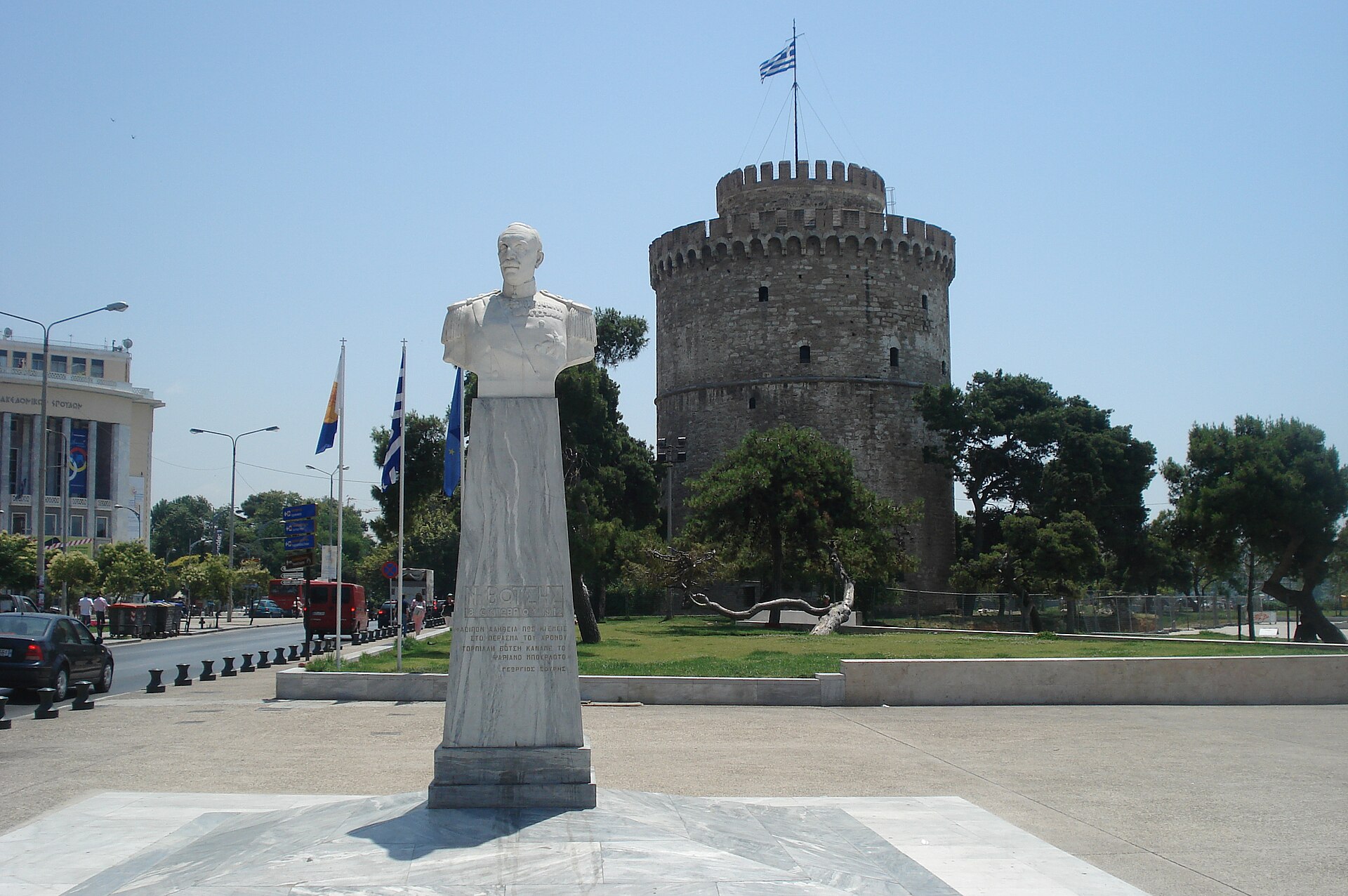
In the north, Greece tours visit Vergina, where the royal tombs of ancient Macedonia lie under a grassy mound. Thessaloniki adds a Roman arch and early Christian churches. Fans of Alexander the Great find his story everywhere in this region.
In the south, Mystras is a ruined medieval town on a steep hill near Sparta. Its painted churches show life in the Byzantine age, when Greek-speaking emperors ruled from Constantinople. Few visitors expect such bright colour inside these quiet stone walls.
Venetian forts in Nafplio, Methoni and Corfu tell a later story, when traders from Venice held key ports. Their thick walls, gates and old cannons thrill younger travellers. This practical guide to ancient ruins explains how to plan visits to sites like these.
How do museum-focused Greece tours work for groups?
Museum-focused Greece tours pair a site in the morning with a museum in the hot afternoon. The National Archaeological Museum in Athens holds the golden mask linked to Agamemnon and bronze statues found in the sea. Indoor visits also give everyone a cool break.
Only state-licensed guides can lead groups inside Greek archaeological sites and museums. These guides train hard, and they know how to pick the pieces that matter most. Their stories keep a mixed group focused, even after a long day on foot.
Groups who enjoy art can add the Museum of Cycladic Art, known for its simple marble figures. The Byzantine and Christian Museum shows glowing icons, which are holy paintings on wood. This guide to Greek art and museums helps planners choose the right mix.
History Greece tours also cover living culture. Evening shows in ancient theatres, folk dance lessons and visits to working monasteries bring the past into the present. Groups who mix ruins with these lively moments see a fuller picture of Greek life.
Which Greece tours suit groups who love the sea?
Sea-loving groups get the most from Greece tours built around sailing boats, island cruises, beach days and water sports in calm, clear bays. With so many islands and coves, the sea is never far away. Even a city break in Athens sits close to good beaches.
Sailing and cruising Greece tours for groups
A chartered sailing boat or catamaran turns a group into a crew. The skipper handles the sailing, while friends swim, fish, read on deck and help with the ropes if they wish. These sailing holidays in Greece explain how the different charter styles work.
Catamarans suit families well, since they sail flat and offer wide nets at the front for lying in the sun. Single-hull yachts lean more in the wind and thrill keen sailors. Both reach quiet bays that land-based groups rarely see.
For a bigger party, island cruises on larger boats keep the day simple. Lunch, music and swim stops fill the hours, and nobody worries about the route. Cruising Greece tours from Athens often visit the Saronic islands, while the Ionian coast suits groups based in Corfu.
Wind matters at sea. A strong summer north wind, called the meltemi, blows across the Aegean, so skippers often choose sheltered routes. The Ionian Sea on the west coast is usually calmer, which suits groups with young children.
Beach days and water sports
Beach-focused Greece tours mix famous sand with hidden coves. Elafonisi on Crete, Myrtos on Kefalonia and Sarakiniko on Milos appear in countless travel photos. This guide to the best beaches in Greece helps groups match a beach to their style.
Water sports add energy to a lazy beach day. Kayaking along cliffs, paddleboarding in quiet bays and snorkelling over rocky reefs all suit complete beginners. Windsurfing and kitesurfing draw sportier friends to windy spots on Paros and Naxos.
Groups with nervous swimmers should pick sandy, shallow beaches with lifeguards and shade. Many organised beaches rent sunbeds and umbrellas in rows, which keeps everyone together. A cool box of water and fruit keeps energy up until the golden evening light.
Island-hopping Greece tours by ferry also suit sea lovers. Fast boats link the Cyclades, while slower ferries let groups sit on deck and watch islands drift past. Every crossing feels like a short cruise.


Which Greece tours suit groups who love food?
Food-loving groups enjoy Greece tours that combine cooking classes, market walks, wine tastings and taverna meals where shared plates move around the table. Greek food is simple, fresh and made for sharing. That makes it a perfect fit for any group.
Cooking classes, markets and tavernas
Cooking classes are the heart of many food Greece tours. Groups learn to roll filo pastry, stuff vine leaves and mix tzatziki, a dip of yogurt, cucumber and garlic. Afterwards, everyone eats what they made, often in a garden or on a farm terrace.
In Athens, the Central Market on Athinas Street is packed with meat, fish, herbs and spices. Thessaloniki’s Kapani and Modiano markets feel just as lively. These food markets around Greece make great first stops on a tasting walk.
Taverna meals are where food Greece tours turn into celebrations. Meze, small shared dishes, arrive in waves, from grilled octopus to fried cheese and fresh salads. This list of Greek dishes to try on tour helps groups order like locals.
Food tours also respect different diets and tastes. Greek cooking includes plenty of vegetable dishes, beans and salads, so vegetarians eat very well at every meal. Guides can warn kitchens about allergies in advance, which keeps the whole table relaxed.
Which wine and olive oil Greece tours suit groups?
Wine tastings suit adult groups, clubs and company teams. Santorini grows its vines in low, basket-shaped coils that protect the grapes from wind. Nemea in the Peloponnese and Naoussa in Macedonia are known for rich red wines.
These popular wine regions each offer a different style, from crisp whites to deep reds. Many wineries host groups on terraces with views over the vines. A coach with a driver keeps the day safe for everyone.
Olive oil Greece tours are a gentle choice for mixed ages. Groups walk among ancient olive trees, learn how oil is pressed and taste it on fresh bread. Crete, Kalamata and Lesvos are well known for their olive groves.
Cheese and honey Greece tours make a sweet addition. Groups visit small farms to taste feta, graviera and thyme honey straight from the hives. Children enjoy meeting the goats and sheep that make it all possible.
Which Greece tours suit groups who love the outdoors?
Outdoor groups thrive on Greece tours with mountain hikes, gorge walks, kayaking, rafting and nature reserves, led by local guides. Greece is a very mountainous country, so wild places sit close to beaches and towns. Fresh air is never far from a good meal.
Hiking Greece tours for active groups
The Samaria Gorge on Crete is one of the best-known hikes in Europe. Groups walk down between steep rock walls and finish at the sea, where a boat carries them onward. The walk is long, so it suits fit groups with good shoes.
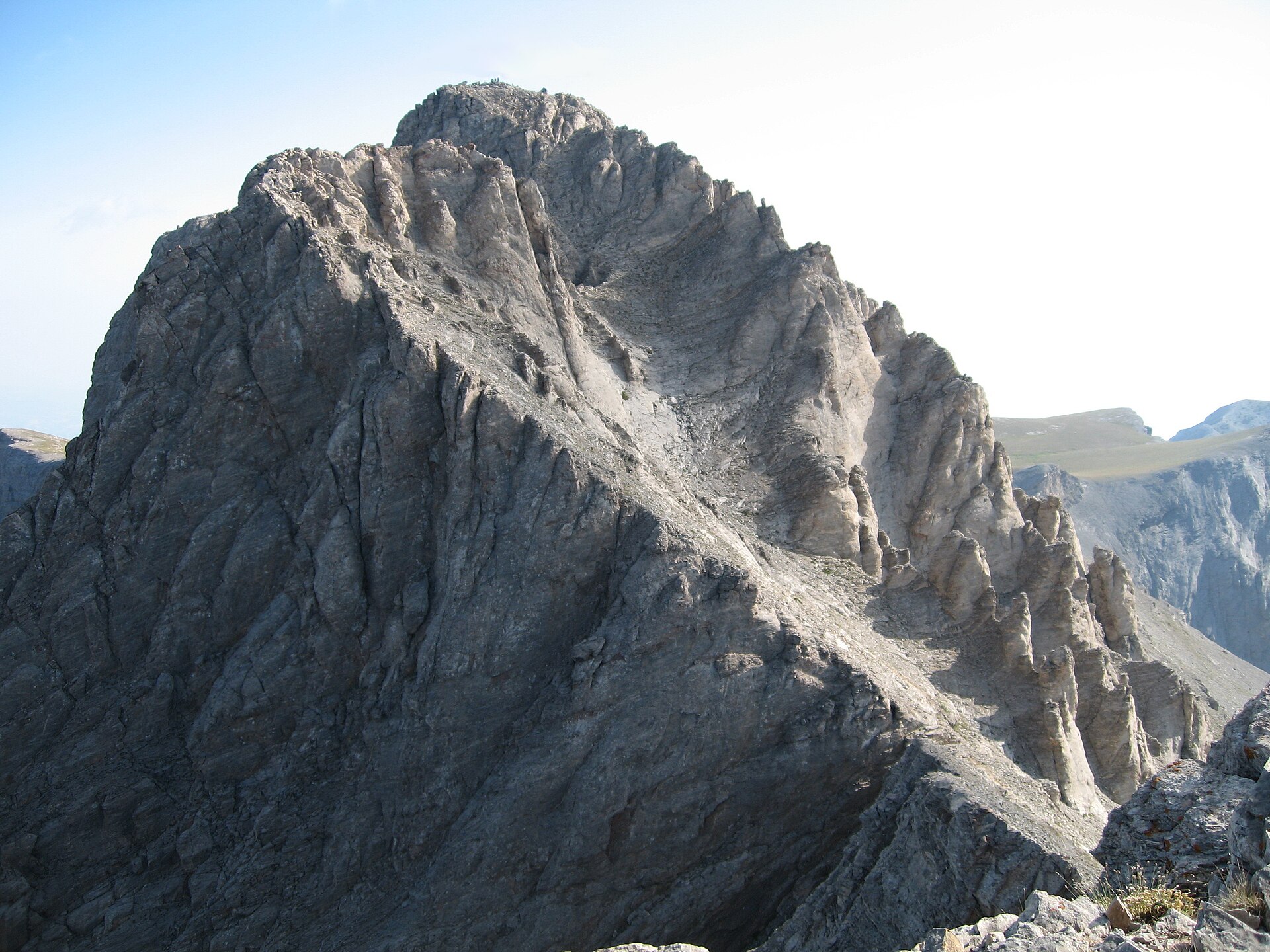
In the north, the Zagori villages offer stone bridges, mountain paths and the deep Vikos Gorge. Mount Olympus, home of the gods in myth, draws keen walkers too. These top hiking trails range from gentle paths to tough climbs.
Island hikes suit mixed groups of friends and families. Paths link villages on Naxos, Andros and Tinos, with tavernas waiting at the end. Many walks follow old donkey tracks, which keeps the climbing gentle and the views wide.
Hiking Greece tours work best in spring and autumn, when wildflowers cover the hills and the air stays cool. Summer hikes start at dawn and finish before lunch. Guides set a steady pace, so slower walkers never feel left behind.
Adventure and nature days
Adventure-focused Greece tours add a rush of excitement. Rafting on mountain rivers, canyoning in narrow gorges and sea kayaking around cliffs suit teenagers and sporty friends. This guide to adventure activities in Greece covers options by land, sea and air.
Nature lovers enjoy calmer days. Lake Kerkini in the north attracts pelicans and other water birds, while the Prespa lakes feel remote and peaceful. These protected nature reserves suit groups who like birdwatching and photography.
Outdoor days need a little planning. Early starts avoid the midday heat, and local guides check the weather before any hike or river trip. With water, hats and sturdy shoes packed, the whole group can enjoy the wild side of Greece safely.
Which places do Greece tours for big groups visit?
Greece tours for big groups focus on the Cyclades, the mainland and the large islands, where hotels and guides handle large parties well. Each region below lists the places that work best for a group. Every stop has good transport links, wide choice of rooms and plenty to see.
Cyclades
The Cyclades are the classic island chain of white villages, blue domes and clear sea. Ferries link them closely, so island Greece tours can combine several in one trip. Big parties should book ferry seats and island hotels early, because summer fills them fast.
- Santorini: cliff-top villages, blue domes and sunsets over the volcanic caldera.
- Mykonos: whitewashed lanes, harbour windmills and lively beaches for groups of friends.
- Naxos: long sandy beaches, mountain villages and the giant marble Portara.
- Paros: pretty fishing harbours, relaxed beaches and great windsurfing spots.
- Milos: colourful fishing huts, white Sarakiniko rocks and hidden sea caves.
Mainland
The mainland holds the great sites of ancient Greece, from oracles to stadiums. Coaches carry large groups between them on good roads, with licensed guides waiting at each stop. Most mainland Greece tours start in Athens and loop through central Greece and the Peloponnese.
- Athens: the Acropolis, world-class museums and lively old neighbourhoods full of tavernas.
- Delphi: the ancient oracle of Apollo on a steep mountain slope.
- Meteora: monasteries perched on top of giant rock pillars.
- Olympia: the sacred home of the ancient Olympic Games.
- Epidaurus: an ancient theatre famous for its almost perfect sound.
Large islands
The large islands feel like small countries, with their own food, music and history. Each one has an airport, which makes travel simple for big groups. Here, a single island can fill a whole holiday without any ferry rides at all.
- Crete: Minoan palaces, dramatic gorges and some of the best food in Greece.
- Rhodes: a walled medieval old town and the hilltop Acropolis of Lindos.
- Corfu: an elegant Venetian old town, green hills and calm Ionian bays.
- Kefalonia: Myrtos beach, the Melissani cave lake and turquoise Ionian water.
How do groups plan Greece tours over ten days?
Groups plan Greece tours over ten days by mixing Athens and Delphi, a short island hop and a relaxed finish on Crete. This shape balances history, beaches and food without too many hotel changes. Flights and ferries link each stage easily, even for a large party with luggage.
Three Athens days with Delphi
Most Greece tours for groups begin in Athens, since the main international airport is there. The first morning belongs to the Acropolis and the Acropolis Museum. An early start beats the heat and the crowds, and a licensed guide keeps everyone together.
The afternoon stays relaxed for the whole party. Groups eat a long lunch in Plaka, browse the stalls of Monastiraki and rest at the hotel before dinner. A rooftop table with a view of the lit-up Parthenon makes a perfect first evening.
The next day is a full trip to Delphi by private coach. The road climbs through olive groves and mountain villages, and the ruins sit high above a deep valley. Many Greece tours stop in the mountain village of Arachova for lunch on the way back.
The last Athens day stays flexible for different tastes. Beach lovers take a cruise to the Saronic islands, while history fans visit the National Archaeological Museum. Others ride along the Athens Riviera to the Temple of Poseidon at Cape Sounion for sunset.
Groups short on time can squeeze the highlights into a quicker trip. This classic Athens, Santorini and Mykonos plan shows how a shorter route fits together. For a longer holiday, though, a slower start in Athens pays off for everyone.
Four island days
From the port of Piraeus, a fast ferry carries the group to Naxos or Santorini. Naxos suits big groups well, with wide sandy beaches, family hotels and lower costs than Santorini. Santorini wins for cliff-top views, wine and famous sunsets.
A good island stretch mixes a boat trip, a beach day, a village walk and a cooking class or wine tasting. That variety keeps every age happy. Island Greece tours also leave free afternoons, so friends can split up and meet again for dinner.
Some groups combine nearby islands, such as Naxos and Paros or Santorini and Mykonos. Ferries between them are short, simple and frequent in the summer season. This guide to Greek island hopping explains how to link islands without stress.
Big groups move more easily with a private transfer at each port. Luggage goes straight to the hotel while the group starts exploring the village. Greece tours that include these transfers save a lot of waiting around in the sun.
Evenings on the islands are the reward for busy days. Long dinners by the water, sunset drinks and a stroll through lit-up lanes keep the mood bright. Group leaders should book big tables early, since the best spots fill fast.
Travel days between stages need care. A morning ferry or flight, a hotel check-in and a light afternoon stroll are enough for that day. Groups who pack an activity onto a travel day often end up tired and late.
Three days on Crete
A ferry from Santorini or a short flight from Athens brings the group to Crete for the final stretch. Heraklion makes a handy base for the Palace of Knossos and the city’s fine archaeology museum. Chania, further west, suits groups who want harbour walks and beaches.
The first Crete day covers Knossos with a licensed guide, who explains the legend of the Minotaur and the maze. Afternoons suit a swim at a nearby beach or a stroll around the old Venetian harbour. Children love the myths, and adults love the seafood.
The middle day can be a boat trip to Balos lagoon or a jeep safari into the mountains. Families often prefer a lazy beach day, while active friends hike a gorge. Crete is big enough to give every taste in the group its own perfect day.
The last day is for food. Cretan cooking classes, olive oil tastings and a long farewell dinner end Greece tours on a high note. Many adults in the group toast the trip with raki, a strong local spirit served after meals.
Groups who prefer to organise some parts themselves can still follow this outline. This guide to self-guided itinerary planning shows how to book ferries, hotels and day trips step by step. Mixing guided days with free days often gives the best balance.
More questions about Greece tours for groups
These quick answers cover the practical questions group leaders ask most often about Greece tours, from guides and weather to tips and packing. Each answer keeps things short and clear for busy organisers.
Can large groups get a private guide on Greece tours?
Yes, large groups can book a private licensed guide, and very big parties often split into smaller teams with a guide each. Smaller teams hear better and move faster through busy sites. Private guides on Greece tours also use headsets, so everyone follows the story clearly.
Do Greece tours work for older travellers?
Yes, Greece tours suit older travellers well when the pace is gentle, transport is private and rest stops come often. Guides can point out shorter routes, shaded benches and step-free paths at major sites. Boats with easy boarding and hotels with lifts also help a great deal.
What happens if weather cancels Greece tours?
When strong wind or storms cancel Greece tours, operators usually move the group to another day or offer a full refund. Leaving spare time in the plan makes these changes easy to absorb. Good travel insurance covers bigger problems, such as missed ferries, flights or hotel nights.
Do Greece tours pick groups up from cruise ports?
Yes, many Greece tours meet groups at cruise ports such as Piraeus, Katakolo and Corfu, then return them well before the ship sails. Shore trips follow the ship’s schedule closely, so nobody misses the boat. Groups should share the exact docking times with the guide in advance.
How should groups tip on Greece tours?
Tipping on Greece tours is welcome but optional, and groups usually pool one tip for the guide and one for the driver. Cash in an envelope at the end of the day is the simplest way. In tavernas, rounding up the bill is a common and friendly habit.
What should groups pack for Greece tours?
Groups should pack light clothes, sun hats, sunscreen, comfortable walking shoes, swimwear and a modest layer for churches and monasteries on Greece tours. A refillable bottle and a small day bag help on long sightseeing days. Soft bags fit coach holds and ferry racks better than hard cases.
See more in TechPath: